How to Start a Medical Equipment Trading Business in Dubai
 Ali Jasim
Trading medical devices in the UAE requires more than a trade licence. The company must be registered with the Ministry of Health and Prevention as a medical device establishment, and each product must be registered before it can be imported or sold.
Storage conditions are regulated, importing needs permits per shipment for many categories, and your customers are licensed facilities rather than the public.
Medical device trading looks like ordinary import and distribution until you meet the registration layer, and then it becomes a very different business.
The UAE regulates devices from the manufacturer through to the facility that uses them, and the trader sits inside that chain with real obligations.
Done properly it is a strong, defensible business with long customer relationships. Done casually it stops at the first shipment stuck in customs.
What Counts as a Medical Device
Broader than most people assume. It covers diagnostic equipment, surgical instruments, implants, dental equipment, imaging systems, patient monitors, disposables such as gloves and syringes, mobility aids, and many products sold into clinics that a layperson would call ordinary supplies.
Some categories that feel cosmetic, including certain aesthetic devices, are regulated as medical.
Devices are classified by risk, and the class determines the depth of the registration file, the evidence required and the time it takes.
Before writing a business plan, classify the products you intend to sell, because a portfolio of low risk consumables and a portfolio of high risk implants are two different companies with two different capital requirements.
Registering the Company
The trading company needs a trade licence with the appropriate medical equipment trading activity, and then registration with the Ministry of Health and Prevention as an establishment permitted to import, store and distribute devices.
That registration considers your premises, your storage, your quality systems and the qualified person responsible for regulatory compliance.

Expect to nominate a technically qualified person. This is not a figurehead.
They are accountable for the registration files, for vigilance reporting when a device fails or harms a patient, and for recalls. Plan for that hire in your first year budget.
Registering the Products
Each device is registered individually, and the file typically includes the manufacturer's regulatory approvals in its country of origin, quality certification, technical documentation, labelling, instructions for use, and a letter of authorisation naming your company as the authorised distributor for the UAE.
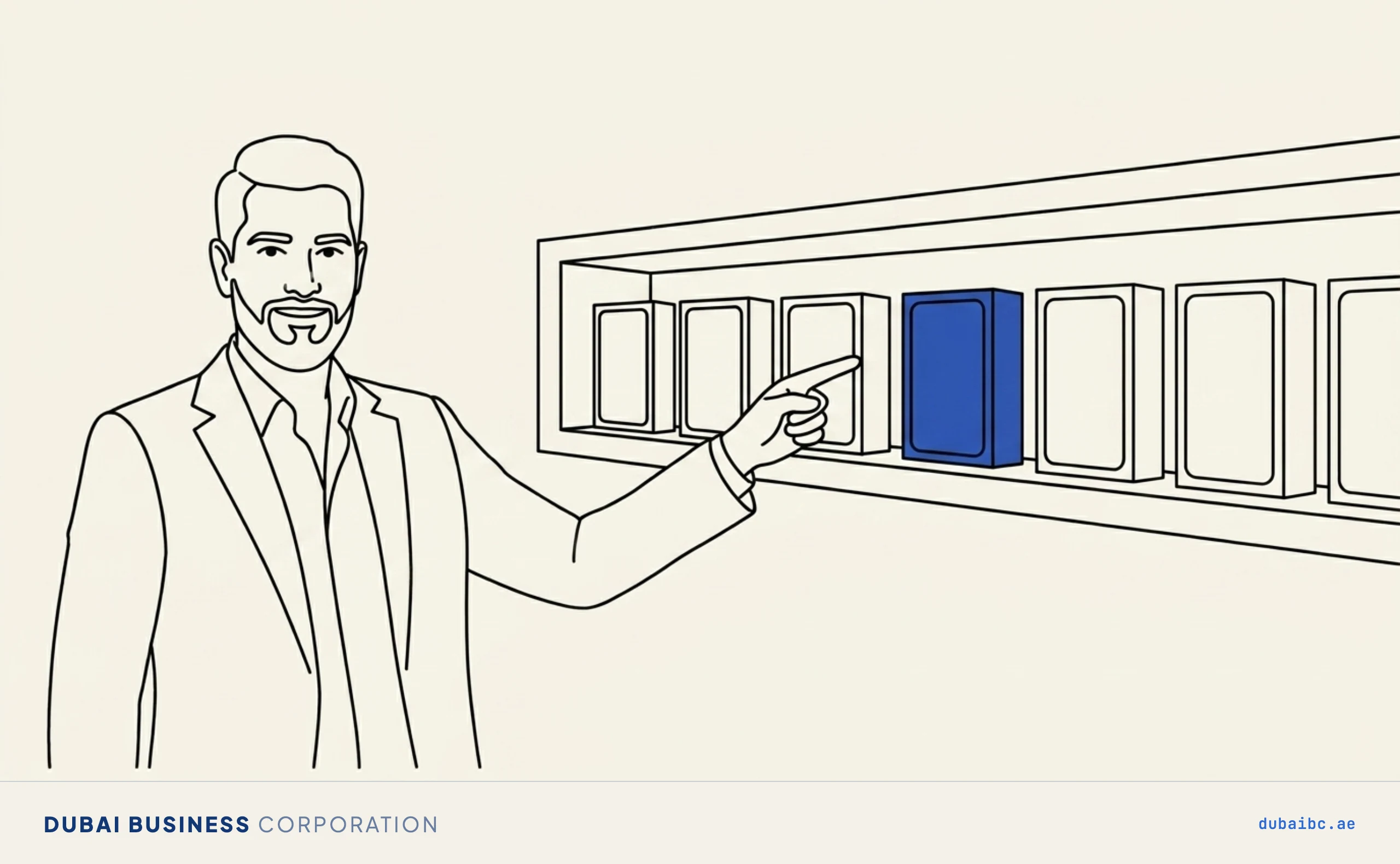
That last point is a commercial gate as much as a regulatory one. You cannot register a product you do not have written authority to represent, which means the manufacturer relationship comes first.
Distribution agreements, territory, exclusivity and minimum volumes are negotiated before the regulatory work begins, not after.
Free Zone or Mainland
Both are used in this sector and they serve different models. A free zone company, particularly in a logistics or healthcare oriented zone, suits importing, holding stock and re exporting into the wider region, with the customs and warehousing advantages that come with it.
A mainland company suits selling directly to clinics, hospitals and government facilities inside the UAE.
Many established players run both, or run a free zone entity with a mainland arm. For a first business, decide based on where your customers actually are.
Our guides to free zone or mainland and whether a free zone company can trade on the mainland cover the boundary in detail.
Price both routes side by side, itemised from the real fee schedule, before you register anything.
Storage and Logistics
Device storage is regulated, and for a significant number of products that means controlled temperature, humidity monitoring, segregation of quarantined and released stock, batch traceability and pest control.
Sterile products carry additional handling requirements, and anything with an expiry date needs proper stock rotation with documented evidence.
A general warehouse will not do. Either lease compliant space or use a specialist third party logistics provider already approved for medical goods, which is often the cheaper start because it converts a capital project into a per pallet cost.
Importing: Customs Plus Health Clearance
Bringing devices into the UAE involves the normal customs process and a health authority clearance layer.
In practice that means your product registrations must be current, your import permissions in order, and your documentation consistent, because a mismatch between the invoice, the packing list and the registered product description is enough to hold a shipment.
You will also need a customs code for the company. Our import export guide explains the general import mechanics that sit underneath the health specific layer.
Who You Can Sell To
| Customer | What they require | |
|---|---|---|
| Private clinics | Small to medium orders | Price, service, fast delivery |
| Hospital groups | Large contracts | Tenders, references, service capability |
| Government facilities | Tender based | Formal prequalification |
| Pharmacies and retail | Consumables | Registered products only |
| Other distributors | Wholesale volume | Authorisation to sub distribute |
Notice what is missing: the general public. Most of this business sells to licensed facilities and professionals, which means slow procurement, formal tenders and long payment terms.
Working capital, not margin, is usually the binding constraint in the first two years.
After Sales Service, the Real Differentiator
For capital equipment especially, the sale is the beginning. Clinics buy imaging systems, dental chairs and monitors expecting installation, training, calibration, spare parts and a service engineer who answers the phone.
A trader who cannot service what they sell will lose the second order and every referral.
Build the service capability into the plan from the start, either directly with trained engineers on your payroll or through a formal arrangement with the manufacturer. In this sector it is frequently the service contract, not the equipment margin, that produces the durable revenue.
Vigilance, Recalls and Liability
As the registered distributor you carry post market obligations: reporting adverse incidents involving your devices, cooperating with field safety actions, and being able to trace which batch went to which facility. That traceability requirement is precisely why casual stock handling is incompatible with this business.
Carry appropriate product liability insurance and read the indemnity clauses in your distribution agreement carefully. A distributor who has accepted broad liability for a manufacturer's defect has taken on a risk far larger than the margin justifies.
Tax and Money
Some healthcare related supplies carry preferential VAT treatment in the UAE while others are standard rated at 5%, and the boundary matters for a device trader.
Determine the treatment for each product line rather than applying one assumption across the catalogue, and check the guidance published by the Federal Tax Authority.
Corporate tax applies normally as covered in our corporate tax guide.
Choosing the Product Range
The instinct is to represent as many products as possible so that every enquiry can be answered. In this sector that instinct is expensive, because every additional product carries its own registration file, its own regulatory maintenance and its own stock.
A catalogue of two hundred lines that nobody can service properly is worth less than fifteen lines you own completely.
Choose a range around a coherent customer. A distributor focused on dental clinics can sell chairs, imaging, consumables and materials to the same buyer, which means one relationship produces repeat orders across several lines.
A distributor holding an unrelated collection of products has to win a new customer for every item, which is the most expensive way to build revenue.
Consumables deserve particular attention because they reorder. Capital equipment produces a large invoice once every several years, whereas gloves, sutures and single use items produce a predictable monthly order from the same account.
Most durable distribution businesses in this sector are built on the consumables and use the capital equipment to open the door.
Tenders and How Public Procurement Works
A significant part of the UAE healthcare market buys through tender, particularly the larger hospital groups and public facilities. Tendering is a discipline of its own: prequalification, formal documentation, compliance with technical specifications written by the buyer, price submissions and often bid bonds.
It rewards preparation and punishes improvisation.
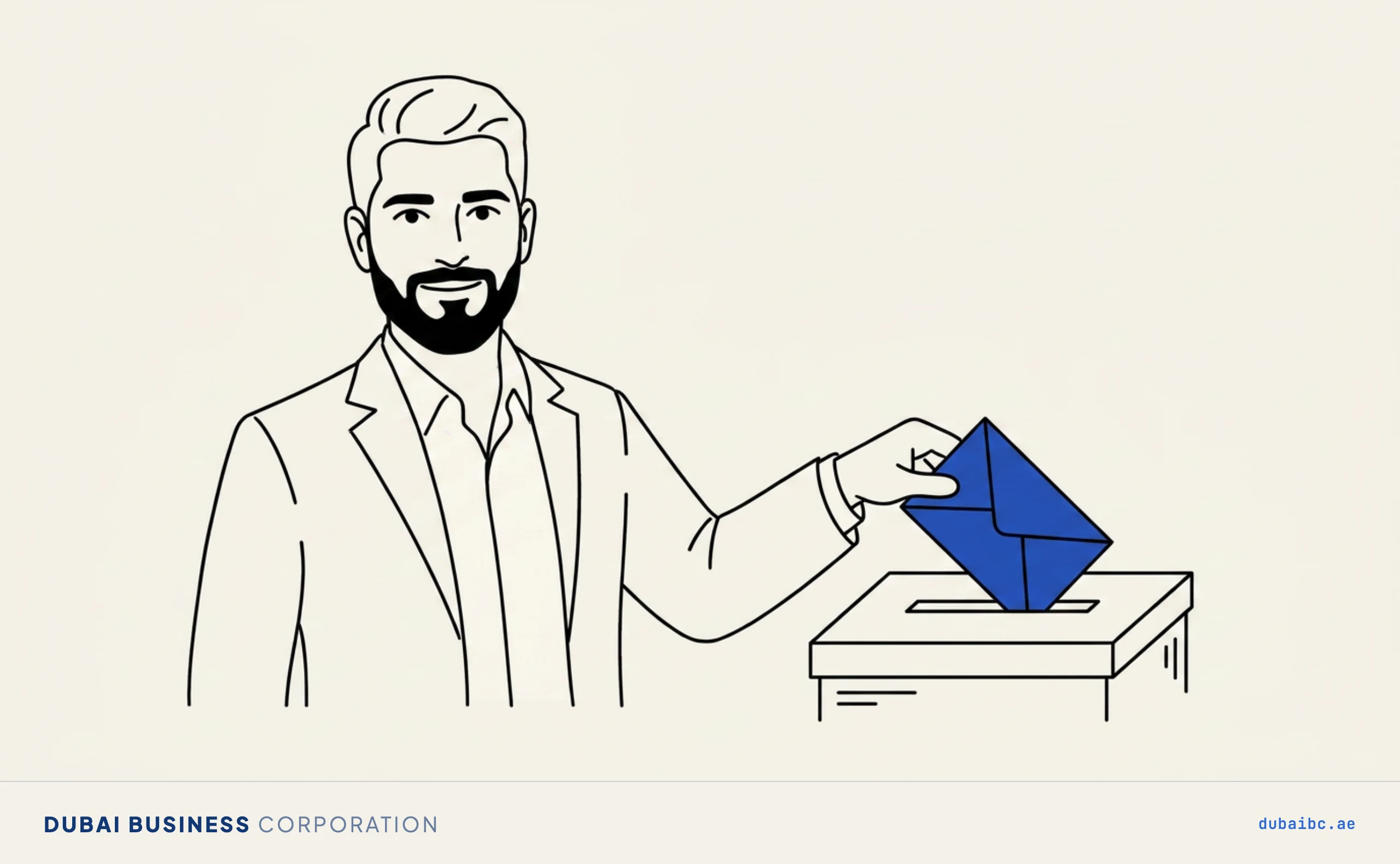
Two practical points. First, prequalification usually takes months and must be done before an opportunity appears, so treat it as business development work rather than a response to a tender notice.
Second, read the technical specification carefully for requirements that only one manufacturer can meet, since a specification written around a competitor's product is a tender you cannot win regardless of price.
Payment terms in tendered business are long, and that is the trade off. Large predictable volumes on extended terms, which is exactly why working capital rather than margin decides how fast this business can grow.
Common Mistakes
- Importing before the product is registered.
- No manufacturer authorisation letter, which blocks registration entirely.
- Ordinary warehousing for products that require controlled storage.
- Promising delivery dates based on optimistic registration timelines.
- No service capability on capital equipment.
- Underestimating working capital against hospital payment terms.
Is it a good business?
The UAE healthcare market is large, well funded and expanding, and the regulatory barrier keeps the field serious. Distributors with real manufacturer relationships, registered portfolios and genuine service capability build durable businesses with high switching costs.
It is not a fast business. Budget a first year of registrations, relationship building and prequalification before meaningful revenue, and start with a narrow, well chosen product range rather than a catalogue.
If clinics are your customers, our clinic licensing guide is useful reading, because understanding your customer's licence tells you exactly what they are allowed to buy.
Frequently asked questions
Yes. Beyond the trade licence with a medical equipment trading activity, the company must be registered with the Ministry of Health and Prevention as a medical device establishment, and each product must be registered individually before it can be imported or sold. That registration examines your premises, storage, quality systems and the qualified person responsible for regulatory compliance.
Months rather than weeks, and it varies with the risk class of the device. Higher risk products require deeper technical files and more scrutiny. Because timelines are outside your control, never sign a supply contract with delivery penalties for a product that is not yet registered, and never import stock in anticipation of an approval that has not arrived.
Yes, and many do, particularly for importing, warehousing and re exporting regionally. The limitation is selling directly into the UAE market: a free zone company trading on the mainland generally needs a mainland distributor or its own mainland presence. Choose based on where your customers are, since regulatory registration is required in either case.
Yes. Registration files typically require a letter of authorisation naming your company as the authorised representative or distributor for the UAE. This makes the commercial agreement with the manufacturer a prerequisite rather than a follow up. Negotiate territory, exclusivity and volumes first, then begin the regulatory work.
Licensed healthcare facilities, hospitals, pharmacies and other authorised distributors, rather than the general public. That makes it a business to business model with tender processes, formal prequalification and extended payment terms, particularly with hospital groups and government facilities. Working capital is usually a tighter constraint than margin in the early years.
See the number for your setup
The cost calculator runs on Dubai Business Corporation’s real price book. Answer a few questions and get your total, fully itemised, in under a minute.